

If you store your boat outdoors, critters will eventually treat it like a condo. It’s warm. It’s quiet. It has hidden corners, soft materials, and sometimes the faint smell of snacks from last weekend. Rodents, insects, and birds are opportunists, and boats offer the kind of shelter they love. The good news: you can prevent most infestations with a few consistent habits and the right protection plan.
Rodents, insects, and birds are opportunists. They look for:
If pests find a safe, repeatable spot, they come back. That’s why prevention beats cleanup every time.

This one sounds basic, but then you see how often it gets skipped after a long day on the water.
Start here:
A quick routine after each outing does two things: it reduces odors, and it reduces nesting material. It also makes pest-control products work better because you are not competing with strong food smells.
Pro tip: If your boat sits damp, pests and insects stick around longer. Ventilate when possible and keep compartments tidy.
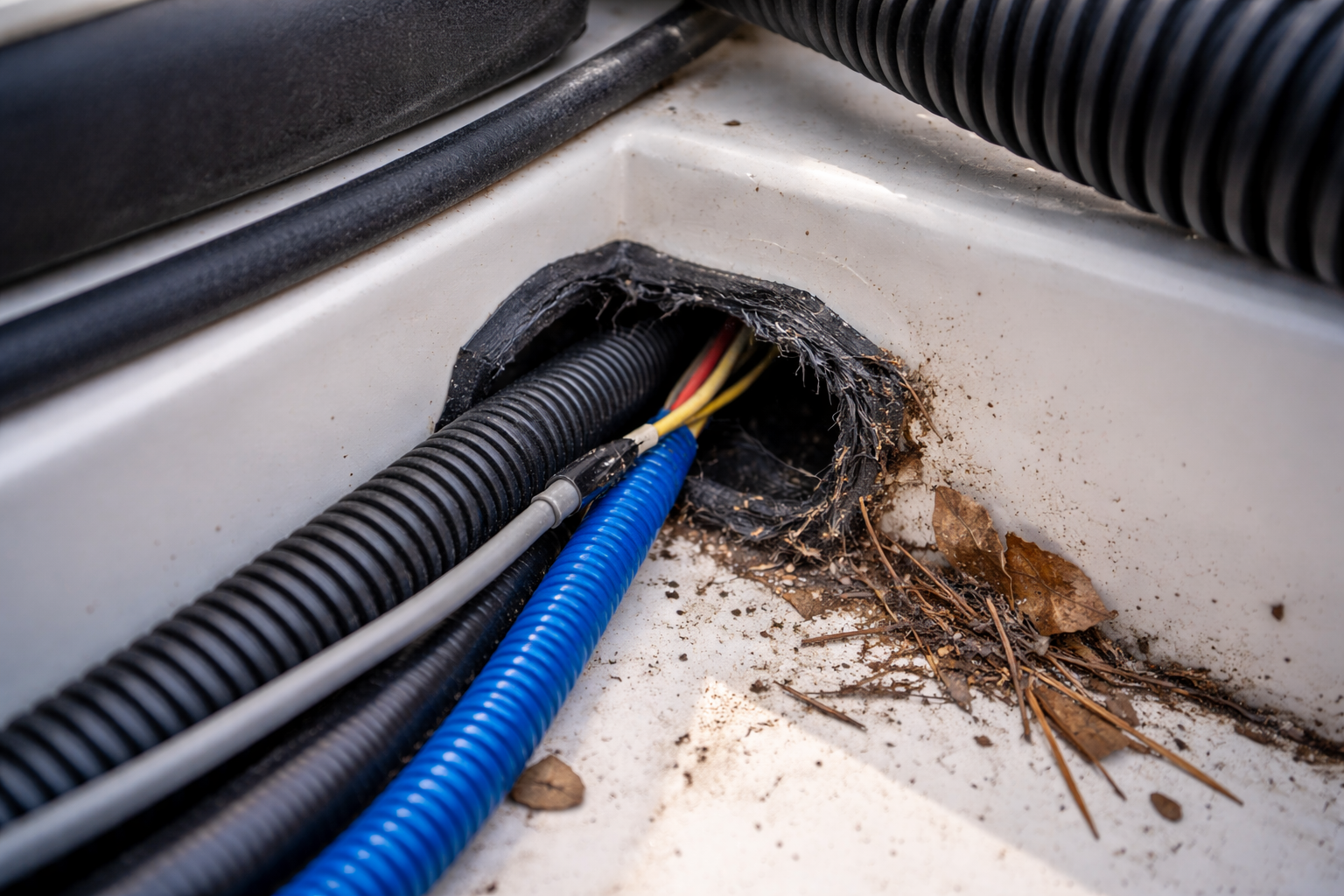
Critters do not need a big opening. A small gap around wiring, hoses, or loose canvas can be enough, which is why monthly inspections matter.
Do a slow walk-around and look for:
For small openings, steel wool can help as a temporary barrier in areas that stay dry and safe from moving parts. Pair that with proper sealing solutions that fit your setup. The goal is simple: make entry as inconvenient as possible.
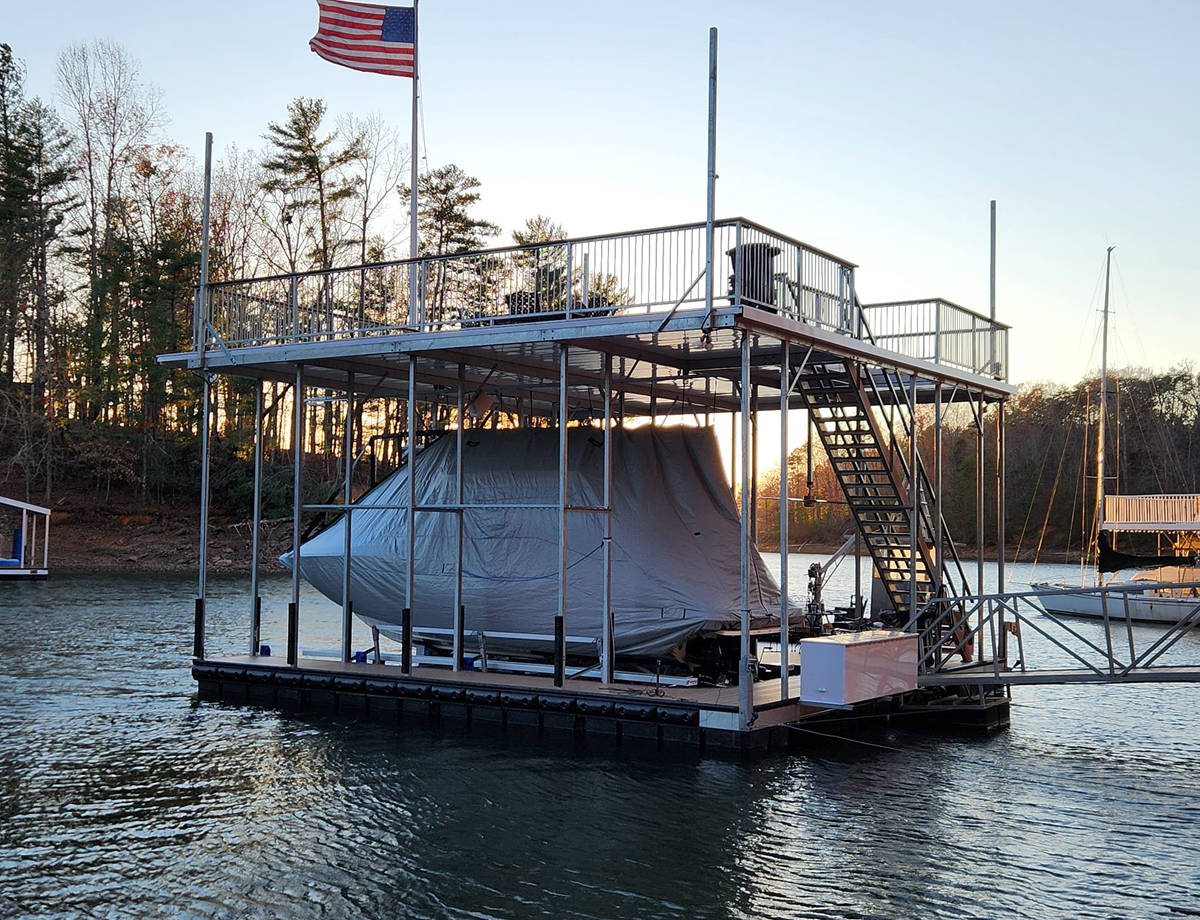
Pest issues often come down to one thing: inconsistent coverage. When a cover is difficult to use, it gets skipped—and that creates easy access for insects, rodents, and birds.
A full boat cover that stays secure and closes off gaps acts as a physical barrier. It helps reduce:
A system that makes covering your boat quick and easy helps ensure protection happens after every outing, not just occasionally.
This is where a custom boat cover track system comes into play. A tailored, hand-sewn cover designed for daily use removes the friction of traditional snap-on or loose-fit covers. With a curtain-like track system, it’s easier to keep your boat protected between trips and uncover it quickly when you’re ready to get on the water.
The three tricks above handle the biggest drivers: attraction, access, and consistency. If you are still fighting pests, add one or two of these.
If you have the option, storing your boat indoors reduces pest access dramatically. Even partial indoor storage helps. For outdoor storage, treat coverage as your “roof” and your seal.
If you already found a nest, remove it fully, clean the area, and re-check in a few days. Pests often try to re-establish in the same spot.
Shelter, warmth, nesting material, and food smells. A boat that stays covered, clean, and dry is less inviting.
Yes. Rodents can chew through wires, insulation, and hose coverings, which can lead to electrical problems and expensive troubleshooting.
A layered approach works best: clean up attractants, block entry points, and keep the boat consistently covered with a full-coverage solution.
Some boaters report success with ultrasonic sound devices, especially battery-powered models used in enclosed storage areas. Treat them as a supplement, and keep up with inspections.
A cover helps, especially full coverage that stays snug. The best results come from combining coverage with cleaning routines and sealing access points.
Keeping critters out of your boat doesn’t have to be complicated—just consistent. Clean up what attracts them, seal off easy entry points, and make covering your boat part of your routine. A custom boat cover track system makes that routine effortless, letting you fully protect your boat without the hassle of traditional covers. Small, consistent steps like these go a long way toward keeping your boat clean, damage-free, and ready for the next day on the water.

