

Waxing your boat isn't just about keeping it looking good. It's one of the most practical things you can do to protect your hull from UV damage, oxidation, and the slow wear that comes from regular time on the water. Done right, it extends the life of your gelcoat and makes cleaning between trips significantly easier.
Here's how to do it properly.

Before anything touches the hull, it needs to be clean. Any dirt or debris left on the surface will get worked into the gelcoat and cause micro-scratches. Use a marine-grade soap and a soft wash mitt, rinse completely, and let the hull dry fully. Waxing a dirty boat does more harm than good.
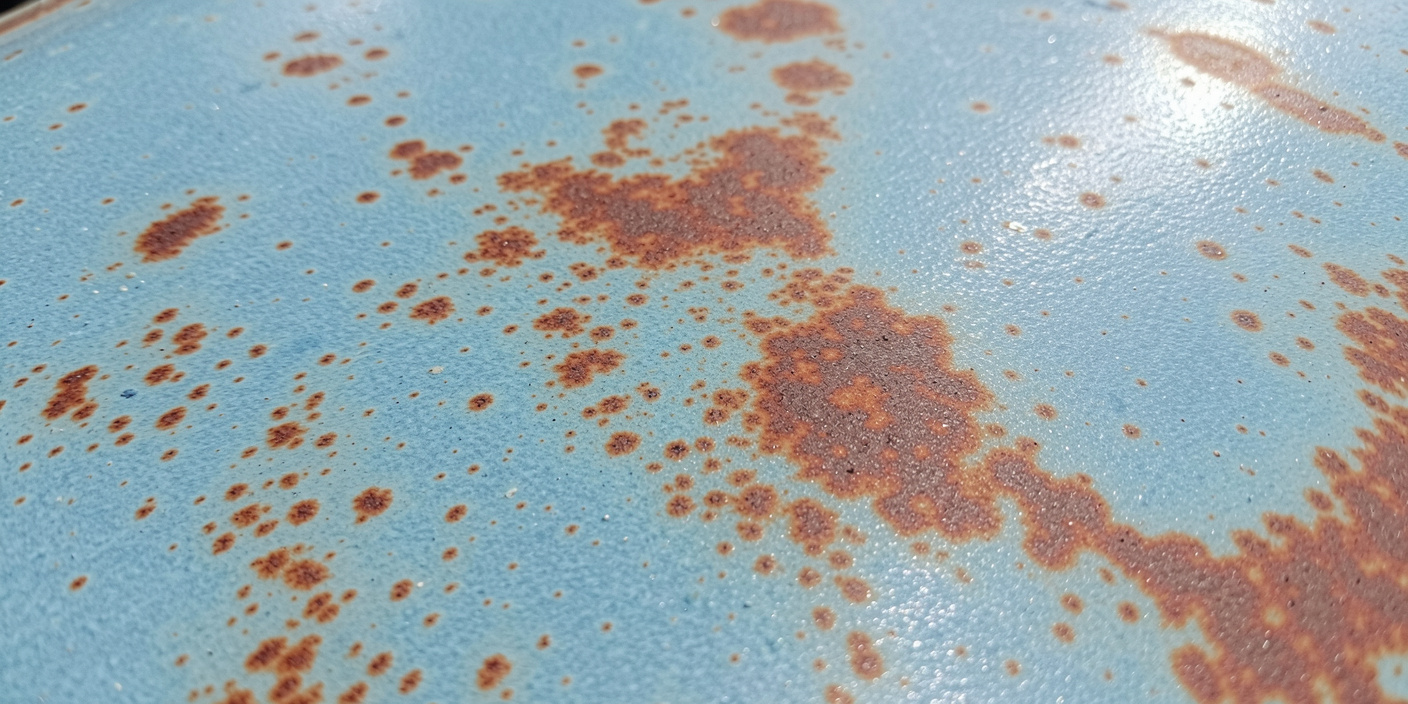
Take a close look at the hull before reaching for wax. If the surface looks chalky, faded, or has lost its gloss, you're dealing with oxidation. Wax alone won't fix that.
This is where boat polishes come in. A good marine polish removes oxidation and surface contaminants, restoring the gelcoat before you seal it with wax. Avoid abrasive cleaners here, as they can be too aggressive for gelcoat and create more work than they solve. Cleaner waxes combine a mild polish and wax in one step and work well for surfaces with light oxidation.
If the hull is in good shape, skip the polish and go straight to waxing.

Work in sections so the product doesn't dry before you can buff it. Apply wax with an applicator pad using circular motions. Overlapping circles distribute the product evenly. Keep your coats thin, as a thick layer doesn't perform better and takes longer to buff out. If you're using a machine polisher, keep it moving constantly to avoid heat buildup on the gelcoat.

Once the wax has hardened, buff it off with a clean microfibre cloth using circular motions. Check your work in good light to catch any uneven areas before they cure fully. Two thin coats will always outperform one thick coat.
Waxing gives your hull excellent protection while it's in use. But between trips, sitting at the dock in the sun, collecting debris, exposed to weather, that protection wears down faster than it needs to.
A boat cover track system is the most effective way to extend the work you've just done. Marine Concepts uses a patented boat cover track system that can fit vessels from 18 to 60 feet, with a cover that glides on and off like a curtain. It's custom-fitted to your vessel using digital measuring and hand-sewn from marine-grade materials built for demanding environments. No snapping, no crawling, no fighting an ill-fitting cover in the wind.
Once or twice a season at minimum. A simple test: if water no longer beads on the surface, it's time to wax.
Not recommended. Car wax isn't formulated for marine gelcoat and won't hold up to UV and salt the way a marine-specific product will.
Boat polishes remove oxidation and surface contaminants. Wax seals and protects. Polish first, then wax. Cleaner waxes combine both steps and work well for light maintenance.
Regular waxing is still worthwhile, but a good cover dramatically reduces how quickly UV and weather degrade the gelcoat. Using both a quality wax and a well-fitted boat cover track system gives your hull the best long-term protection.
Waxing is one of the simplest things you can do to protect your investment on the water. A clean hull, the right polish where needed, and thin wax coats applied in circular motions will keep your gelcoat in good condition for years. Pair that with a Marine Concepts boat cover, and you've got protection at every stage.

